

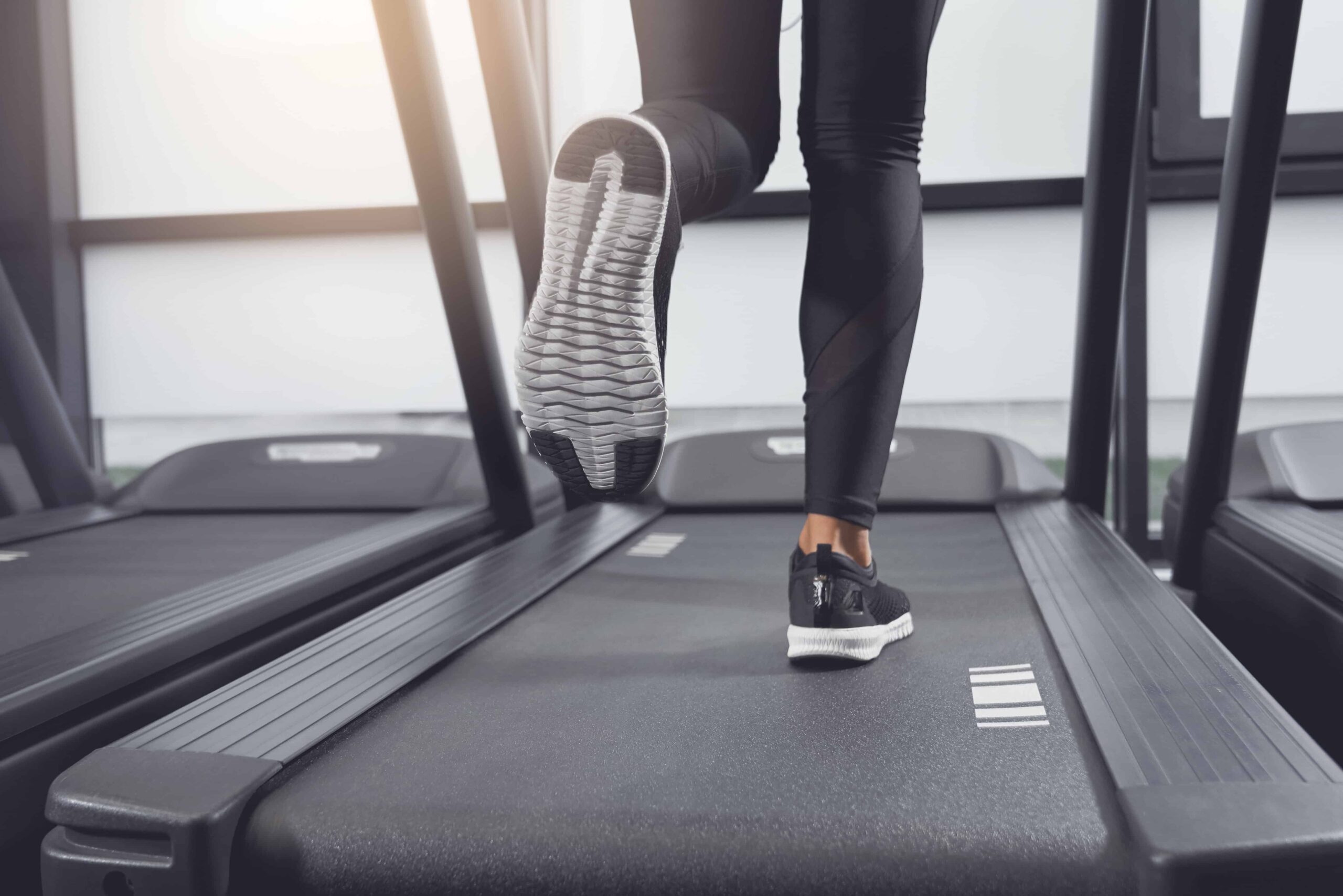
Short answer: YES — running shoes are not only okay on a treadmill, they’re the BEST and safest choice. Treadmill belts are actually softer and more forgiving than pavement, but you still need the cushioning, stability, and grip that only proper running shoes provide.
Why Running Shoes Are Perfect for Treadmill Use
| Benefit | What It Does on a Treadmill | Real-World Impact |
|---|---|---|
| Cushioning | Absorbs repetitive impact on the belt | Protects knees & hips (treadmill is still ~5–10× body weight force) |
| Stability & motion control | Keeps foot aligned on moving belt | Prevents ankle rolls & “belt drift” |
| Breathability | Keeps feet cooler (treadmills get hot fast) | Fewer blisters & hotter workouts |
| Lightweight design | Reduces leg fatigue on long sessions | Easier to hit 12-3-30 or 60-min runs |
| Grippy rubber outsoles | Prevents slipping when sweat hits the belt | Safety first — no sudden face-plants |
Fun fact: Studies show treadmill running produces ~10–20% LESS impact than road running, so your shoes actually last 20–30% longer on a treadmill than outdoors.
5 Pro Tips to Choose & Use Running Shoes on a Treadmill (2025 Edition)
- You DON’T Need “Treadmill-Only” Shoes There’s no such thing. The same road running shoes you love (Hoka Clifton, Brooks Ghost, Nike Pegasus, Asics Gel-Nimbus, Saucony Ride, etc.) are ideal. Exception: If you ONLY run indoors and love maximal cushion, many people prefer slightly softer daily trainers (Hoka Bondi, New Balance 1080, Asics Novablast) because the treadmill belt already gives some bounce.
- Go Half-Size Up If You Do Long Sessions Feet swell more on treadmills because of heat and repetitive motion. Most treadmill runners size ½ size up from their casual shoes (same rule as road running).
- Prioritize Breathable Mesh Uppers Treadmills = zero airflow. Shoes with engineered mesh (almost every 2024–2025 model) keep your feet from turning into saunas.
- Replace Every 350–500 Miles (Even on Treadmill) Yes, the belt is softer, but midsoles still compress. Track your mileage — most apps (Strava, Garmin, Nike Run Club) let you assign shoes now.
- Skip the Minimalist/Barefoot Shoes Unless You’re Experienced Zero-drop shoes feel great outdoors on varied terrain, but on a perfectly flat, moving belt they can cause calf/Achilles strain for many people. Stick with 6–12 mm drop for most treadmill work.
What NOT to Wear on a Treadmill
| Shoe Type | Why It’s a Bad Idea |
|---|---|
| Cross-trainers | Too stiff side-to-side → ankle rolls |
| Basketball/tennis shoes | Heavy, poor forward flex → shin splints |
| Casual sneakers (Vans, Converse) | Zero cushioning → sore knees & heels |
| Old, worn-out shoes | Compressed midsoles = injury risk |
Final Answer
Yes — wear your favorite running shoes on the treadmill. In fact, they’re the only footwear that gives you the cushioning, stability, breathability, and grip you need for safe, effective indoor miles.
Pick a fresh, breathable daily trainer, size ½ up if you’ll be doing 45+ min sessions, and replace them every 400 miles on average. Your joints (and treadmill belt) will thank you.
